LATEST PROJECT
When planning a wind energy project, developers rely on accurate wind data to make informed investment decisions. At the heart of this data collection process stands the meteorological mast a temporary tower that measures wind conditions before a single turbine is installed.
The Lifecycle of a Met Mast: From Engineering to Decommissioning
When planning a wind energy project, developers rely on accurate wind data to make informed investment decisions. At the heart of this data collection process stands the meteorological mast — a temporary tower that measures wind conditions before a single turbine is installed. Understanding the complete lifecycle of a met mast reveals the complexity and precision required to deliver the reliable data that underpins successful wind farms.
Phase 1: Planning and Engineering
Every met mast installation begins with careful planning. Before any equipment arrives on site, engineers conduct a thorough wind turbine site assessment to determine optimal placement locations. This assessment considers terrain characteristics, accessibility, proximity to proposed turbine locations, and potential obstacles that might affect wind flow patterns.
During the engineering phase, specialists design the tower configuration based on site-specific requirements. A typical wind monitoring mast ranges from 40 to 120 meters in height, with the exact specification determined by the expected hub height of future turbines. Engineers select appropriate foundation designs — whether concrete, driven piles, or guy-wire anchored systems — based on soil conditions and local regulations.
The engineering team also plans the sensor layout for the wind measurement mast. This includes determining heights for anemometers, wind vanes, temperature sensors, and barometric pressure instruments. Proper sensor placement is critical, as these instruments will collect the data that forms the foundation of the wind energy feasibility study.
Phase 2: Site Preparation and Installation
Once engineering plans are finalised, site preparation begins. Civil works teams clear and level the installation area, prepare access roads, and construct foundations. For guy-wire supported towers, anchor points must be precisely positioned and installed at the correct tension specifications.
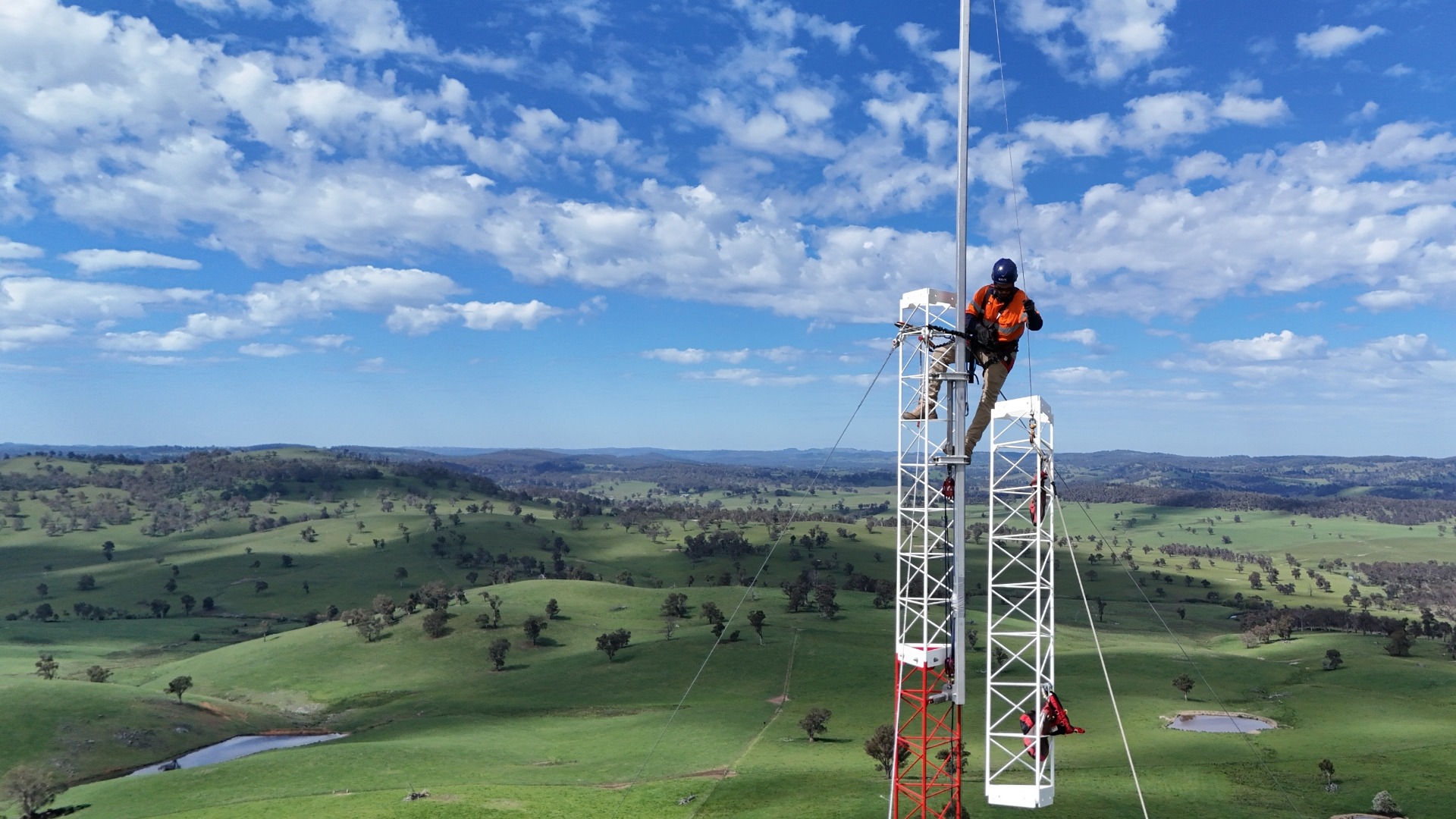
Met mast installation is a specialised operation requiring experienced technicians and appropriate lifting equipment. Tower sections are assembled sequentially, with each section carefully aligned and secured. For taller installations, cranes may be necessary to position upper sections safely.
As the tower rises, technicians install wind sensors at predetermined heights. Wind sensor installation demands meticulous attention to boom orientation, sensor alignment, and cable management. Each anemometer must be precisely oriented to magnetic north, and all instruments must be calibrated to ensure measurement accuracy. Data loggers, power systems (typically solar panels with battery backup), and communication equipment are installed and configured to begin transmitting measurements.
Phase 3: Data Collection and Monitoring
With installation complete, the meteorological mast enters its primary operational phase. For most wind energy feasibility studies, this period lasts between 12 and 24 months, allowing capture of complete seasonal variations in wind conditions.
During data collection, the met mast wind measurement system operates continuously, recording wind speed, direction, temperature, and pressure at 10-minute intervals. Modern systems transmit data remotely, allowing engineers to monitor performance and identify potential issues without site visits.
Regular maintenance is essential throughout this phase. Technicians perform scheduled inspections to check guy-wire tension, verify sensor calibration, clear any debris from instruments, and ensure data logger functionality. These maintenance visits prevent data gaps that could compromise the quality of the feasibility study.
The wind met mast also serves as an early warning system for potential challenges. Unusual turbulence patterns, icing conditions, or extreme wind events identified during monitoring help engineers refine turbine selection and placement strategies.
Phase 4: Data Analysis and Reporting
As data accumulates, wind resource analysts process the measurements to characterise site conditions. They examine wind speed distributions, directional patterns, turbulence intensity, wind shear, and temporal variations. This analysis forms the technical foundation for project financing and turbine procurement decisions.
The data from the wind measurement mast is extrapolated vertically to turbine hub heights and horizontally across the proposed wind farm layout. Sophisticated modelling techniques account for terrain effects and atmospheric stability to predict energy production at each turbine location.
Quality assurance processes verify data integrity throughout the measurement campaign. Analysts identify and address sensor malfunctions, icing events, or other anomalies that might compromise data quality. High-quality data from a properly maintained met mast wind system significantly reduces uncertainty in energy production estimates.
Phase 5: Decommissioning and Site Restoration
Once sufficient data has been collected and the wind farm receives approval to proceed — or a decision is made not to develop the site — decommissioning begins. This phase is often overlooked but represents an important commitment to landowners and regulatory authorities.
Decommissioning reverses the installation process. Technicians first remove sensors and electronics, which may be refurbished for redeployment at other sites. Tower sections are then carefully dismantled using appropriate lifting equipment, with each component lowered safely to ground level.
Foundation removal depends on landowner agreements and local regulations. Concrete foundations may be removed entirely or broken down below plough depth. Guy-wire anchors are extracted, and anchor points are filled and graded. The goal is to restore the site to its pre-installation condition or better.
All materials are sorted for recycling or proper disposal. Steel tower components and aluminium interlocking panels used in some installations have significant scrap value and are typically recycled. Electronic components are disposed of according to e-waste regulations.
Site restoration includes regrading disturbed areas, reseeding with appropriate vegetation, and removing access roads unless they serve ongoing agricultural or forestry purposes. Photographic documentation confirms complete restoration, protecting both the landowner's interests and the developer's reputation.
The Value of a Complete Lifecycle Approach
Understanding the full lifecycle of a meteorological mast reveals why proper execution at each phase matters. Shortcuts during engineering can compromise data quality. Rushed installation may lead to premature failures. Inadequate maintenance creates data gaps. Poor decommissioning damages landowner relationships and future site access.
Companies like GC Wind Services that manage the entire met mast lifecycle deliver superior outcomes. Their experience across all phases ensures that each installation is engineered correctly, installed safely, maintained properly, and decommissioned responsibly.
For wind developers, this comprehensive approach reduces risk, improves data quality, and accelerates project timelines. For landowners, it ensures minimal disruption and complete site restoration. For the wind industry as a whole, professional meteorological mast services build the foundation for successful renewable energy development.
As wind energy continues its global expansion, the humble met mast remains an indispensable tool. From the initial site survey through final decommissioning, each phase of its lifecycle contributes to the accurate wind resource assessment that makes modern wind farms possible. By understanding and respecting this complete lifecycle, the industry ensures that every wind energy project begins on solid ground — backed by reliable data from properly executed wind monitoring programs.
LATEST ARTICLES

LATEST ARTICLES
Primary Cost Drivers for Met Mast Installation
When planning a wind energy project in Australia, understanding met mast installation cost is crucial for accurate budget forecasting. Meteorological masts are the backbone of reliable wind resource assessment, but prices can vary dramatically based on several key factors.
READ MORE