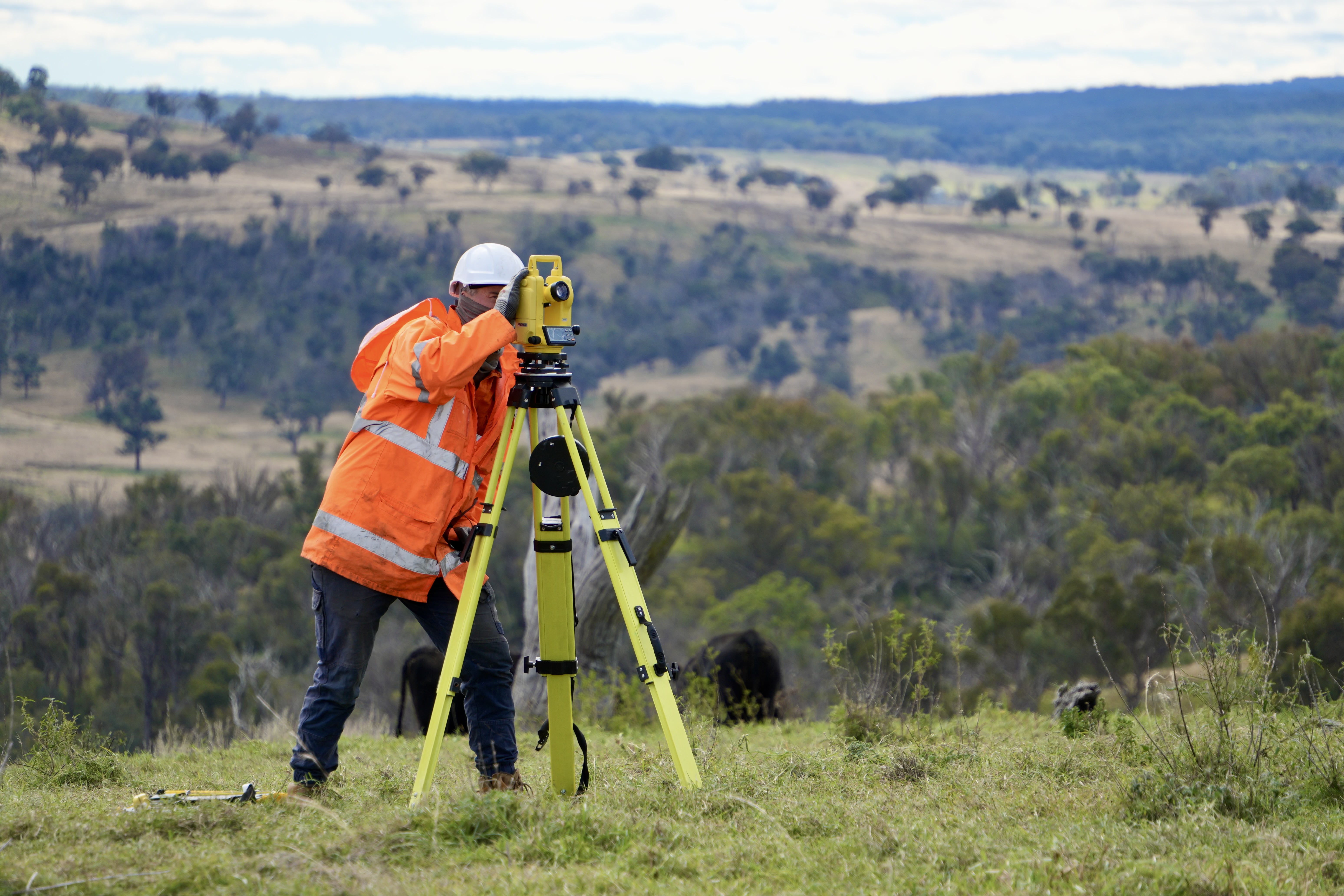
Met Mast Engineering Services
Our engineering expertise is at the heart of every met mast we design and install. We utilise advanced structural analysis techniques and high-strength materials to ensure the durability, stability, and reliability of each mast, even in the harshest environmental conditions.
The engineering and design of met masts play a crucial role in ensuring the collection of reliable atmospheric data for various applications, including wind energy assessments, weather forecasting, and environmental monitoring.
At GC Wind Services, we combine cutting-edge engineering techniques with extensive industry expertise to deliver high-quality met masts that can withstand the harshest conditions while providing accurate data for critical decision-making.
The structural design of a met mast must be robust and reliable, as these structures often endure extreme environmental conditions such as high winds and corrosive coastal environments. At GC Wind Services, we have hand-picked our suppliers and use high-strength galvanized steel, to construct masts that offer exceptional corrosion resistance and longevity. For projects located in areas with severe weather conditions, such as coastal sites, we employ additional protective coatings or advanced materials, including weather-resistant alloys, to further enhance the mast's durability and resistance to environmental wear.
To ensure the stability and safety of met masts, we utilise state-of-the-art structural analysis tools. These tools allow us to evaluate the mast's ability to withstand dynamic loads created by wind and other environmental factors. For example, our designs account for varying wind loads at different heights, reinforcing the base of the mast with thicker, stronger sections to enhance stability.
The stability of a met mast is crucial to its performance. Our engineers meticulously assess the distribution of stresses throughout the structure to ensure uniform load distribution and minimise the risk of failure. We also consider factors such as the mast's resonance frequencies and how the structure will behave under high wind speeds. These analyses help us ensure that the mast remains rigid and stable even under extreme weather conditions, preventing potential structural failure or damage. For met masts in coastal locations, we may also incorporate materials that are specifically resistant to saltwater corrosion.

What is Met Mast Engineering?
Met mast engineering services encompass the comprehensive design, structural analysis, and technical planning required for meteorological towers used in wind monitoring and atmospheric data collection. These specialised structures demand expert engineering to withstand extreme weather conditions whilst maintaining the precision necessary for accurate measurements over extended periods.
Meteorological mast engineering involves multiple disciplines: structural engineering to ensure tower stability, foundation design for met masts to anchor structures securely, and detailed drafting to provide construction-ready documentation. Every component must meet strict safety standards and comply with Australian building codes, making NCC-compliant engineering solutions essential for project approval and long-term operational success in wind monitoring infrastructure design.
Comprehensive Met Mast Engineering Services
GC Wind Services delivers end-to-end met mast engineering services covering every aspect of meteorological tower projects:
Structural Analysis for Meteorological Towers We perform rigorous structural analysis using advanced finite element modelling to assess load distribution, stress concentrations, and dynamic behaviour under varying wind conditions. This analysis ensures towers can withstand cyclonic winds, turbulence, and fatigue loading throughout their operational life.
Met Mast Design and Drafting Our design team produces detailed engineering drawings and specifications including foundation plans, tower elevations, connection details, and material schedules. These comprehensive deliverables support regulatory approvals, fabrication, and construction phases.
Foundation Design for Met Masts Foundation integrity is critical to tower stability. We conduct geotechnical assessments and design appropriate foundation systems, concrete pad footings, pile foundations, or anchored systems, tailored to site-specific soil conditions and environmental loads.
Temporary Met Mast Engineering For short-term monitoring campaigns, we provide specialised temporary met mast engineering solutions featuring efficient installation and removal processes whilst maintaining structural integrity and measurement accuracy during the monitoring period.
NCC-Compliant Engineering Solutions
All GC Wind Services met mast designs comply with the National Construction Code (NCC) and relevant Australian Standards, including AS/NZS 1170 for structural design actions and AS 3995 for design of steel lattice towers and masts. Our NCC-compliant engineering solutions ensure every meteorological tower meets mandatory requirements for:
-
Structural Safety: Load calculations and safety factors exceeding minimum code requirements
-
Wind Load Design: Site-specific wind classifications and ultimate limit state analysis
-
Material Standards: Specification of code-compliant materials with certified test data
-
Foundation Design: Geotechnical compliance and bearing capacity verification
-
Documentation: Engineer-certified drawings and calculations for building approvals
This regulatory compliance is essential for project approvals, insurance coverage, and operational permits. Our engineering team maintains current knowledge of code updates and industry standards, ensuring clients receive certified designs that satisfy all regulatory obligations whilst optimising performance and cost-effectiveness.
Wind Monitoring Infrastructure Design Expertise
Our wind monitoring infrastructure design experience spans diverse Australian environments from tropical coastal sites to inland renewable energy zones. We understand the unique challenges each location presents:
Coastal Installations: Enhanced corrosion protection, cyclone-rated designs, and saltwater-resistant materials for tropical and subtropical regions
Inland Sites: Designs accounting for temperature extremes, dust exposure, and soil conditions specific to arid and semi-arid zones
Complex Terrain: Specialised analysis for ridge-top and complex topography installations where turbulence and wind shear require additional engineering consideration
Multi-Mast Arrays: Coordinated design of multiple meteorological towers for comprehensive wind resource assessment campaigns
Each project benefits from our extensive database of successful installations across Australia, informing material selection, design optimisation, and installation methodology for reliable long-term performance.
From Concept to Construction-Ready Designs
Our met mast engineering services follow a systematic process ensuring quality outcomes:
-
Initial Consultation: Understanding project requirements, site conditions, and monitoring objectives
-
Site Assessment: Reviewing geotechnical data, environmental factors, and access constraints
-
Design Development: Creating structural concepts and selecting appropriate materials and foundation systems
-
Engineering Analysis: Performing structural calculations, load analysis, and code compliance verification
-
Detailed Drafting: Producing construction documentation including drawings, specifications, and material schedules
-
Certification: Providing engineer-certified designs and calculations for regulatory approvals
ABOUT OUR COMPANY
At GC Wind Services, we offer end to end wind monitoring solutions tailored to the renewable energy sector. Our advanced equipment and expert analysis ensure you have the accurate data needed for informed decision making and optimal project performance.
We understand that each project has unique requirements based on location, purpose, and environmental conditions. That’s why we offer customised met mast solutions tailored to meet the specific needs of our clients. Whether it’s adjusting the mast height to optimise data collection, selecting specific materials to enhance durability, or designing special mounting solutions for weather instruments, our engineering team ensures the final design aligns perfectly with the project goals.
Reliable Support. Smarter Maintenance.
GC Wind Supply is our trusted partner in asset maintenance, providing tailored solutions to keep your wind operations running smoothly. From parts supply to full service support, they bring practical know how and local reliability to every job.
Sertec Lightening Protector Preferred Supplier.

ENQUIRE NOW
With a proven track record across the country, GC Wind Services has supported major wind energy projects from start to finish.
29 |
400+ |
28 |
| In-Progress Sites | Projects Completed |
Business Partners |
|
|
Met Mast Decommissioning Methods Explained
Professional tower decommissioning requires careful method selection based on site conditions and environmental considerations. GC Wind Services employs two primary meteorological mast decommissioning techniques, each suited to different project requirements.
Cut & Drop Method The Cut & Drop method involves strategic sectioning of the tower structure, allowing controlled collapse within a predetermined fall zone. This anemometer tower decommissioning technique is effective for sites with adequate clearance and minimal surrounding infrastructure. Our met mast decommissioning contractors conduct precise fall zone calculations accounting for tower height, lean angle, and wind conditions, ensuring rapid execution whilst maintaining safety through comprehensive pre-planning and strategic guy wire management.
Gin Pole Method For sites with space constraints or sensitive infrastructure, the Gin Pole method provides controlled meteorological tower removal through section-by-section dismantling. This technique utilises a temporary lifting apparatus enabling controlled lowering of individual sections to ground level. Essential for wind tower decommissioning in constrained environments or where material recovery requires intact components, this method eliminates fall zone risks and enables precision dismantling in challenging locations.
Decommissioning Process and Safety Planning
Successful met mast decommissioning services begin with thorough planning and site assessment. Our met mast removal services commence with detailed site inspection including tower condition assessment, structural integrity evaluation, and hazard identification. We review installation documentation, assess foundation systems, and conduct environmental surveys to inform methodology selection.
All met tower decommissioning projects require comprehensive safety documentation including Safe Work Method Statements (SWMS), Job Safety Analysis (JSA), and site-specific risk assessments. Our professional tower decommissioning team secures necessary permits and ensures compliance with relevant Australian Standards. We establish secure exclusion zones with calculated fall zones, physical barriers, and access control measures, whilst coordinating with landowners, authorities, and environmental regulators.
Material Recovery and Site Restoration
Sustainable meteorological mast decommissioning prioritises material recovery and environmental responsibility. Met tower structures comprise high-grade galvanised steel offering excellent recyclability. Our met mast decommissioning services include systematic material sorting, with structural steel, guy wires, and hardware separated for recycling. Intact components are preserved for reuse, whilst we partner with certified recycling facilities to divert materials from landfill.
Foundation removal strategies include complete excavation, grinding below surface level, or capping for permanent burial. Our meteorological tower removal services provide site-specific foundation management addressing soil disturbance minimisation and landowner preferences.
Site restoration includes topsoil replacement, native species revegetation, and erosion control measures. Our wind tower decommissioning projects incorporate revegetation plans developed with environmental specialists, addressing climate, soil types, and surrounding ecosystems. Upon completion, clients receive comprehensive handover documentation including photographic records, waste disposal certificates, recycling documentation, and foundation treatment confirmation, providing evidence of regulatory compliance and environmental responsibility through our professional tower decommissioning service.
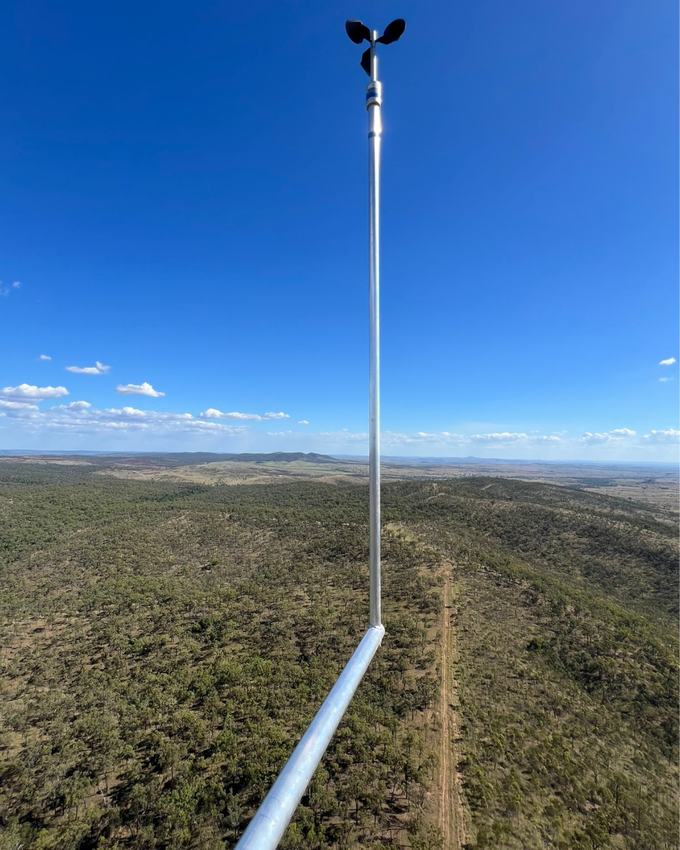

Met Mast Engineering Services
Our engineering expertise is at the heart of every met mast we design and install. We utilise advanced structural analysis techniques and high-strength materials to ensure the durability, stability, and reliability of each mast, even in the harshest environmental conditions.

Met Mast Installation Services
Our experienced team ensures precise installation through thorough site assessments, robust engineering, and the use of high-quality materials. We handle every aspect of the installation process, from location analysis to sensor calibration, ensuring accurate and reliable data collection.

Met Tower Maintenance Services
We provide regular inspections, sensor calibration, and structural assessments to keep your meteorological mast performing accurately. Our experienced team ensures all maintenance is backed by comprehensive safety documentation, maintaining the highest standards of reliability.

Met Mast Decommissioning Services
We specialise in sustainable decommissioning, focusing on recycling materials and restoring land to its natural state with minimal environmental impact. Our experienced team ensures that each project is backed by clear and comprehensive safety documentation, particularly to guarantee the safety and accuracy of the fall location during decommissioning.